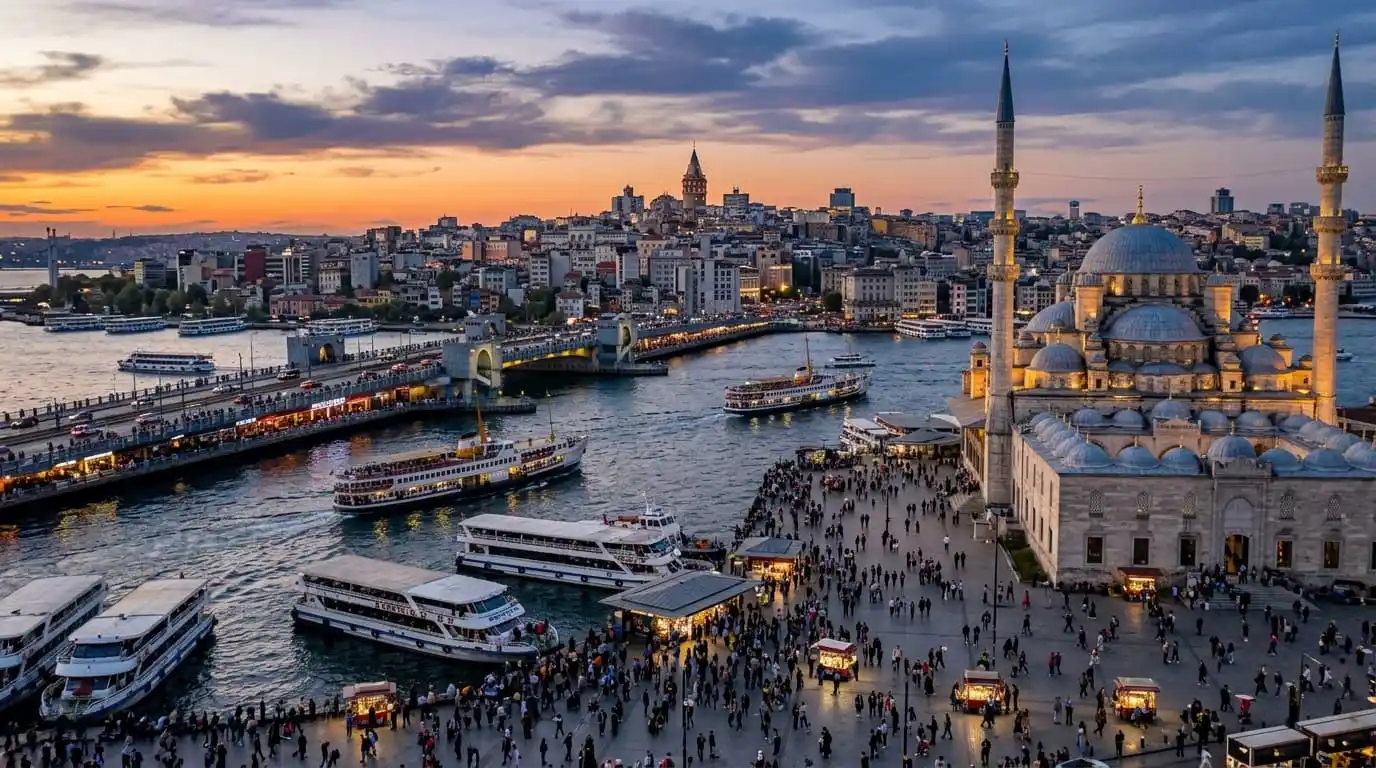
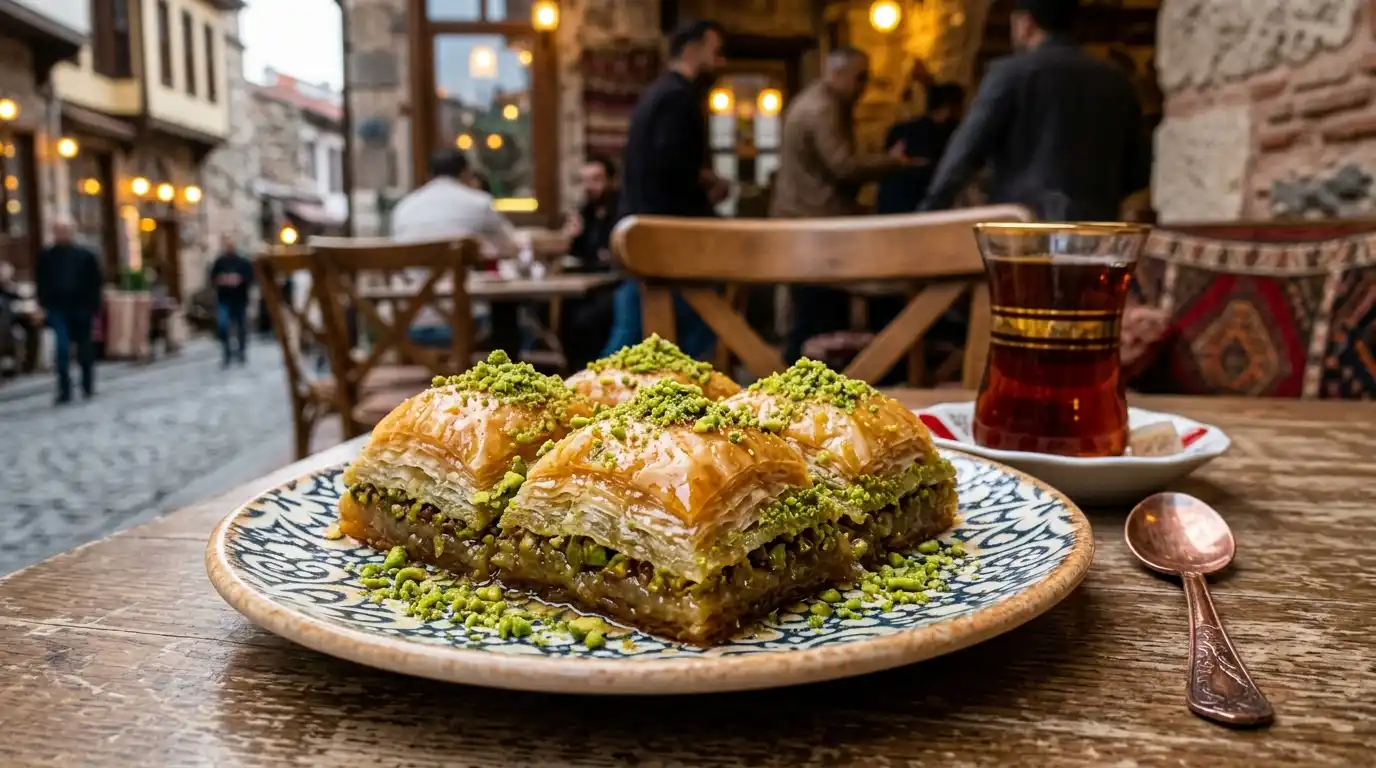
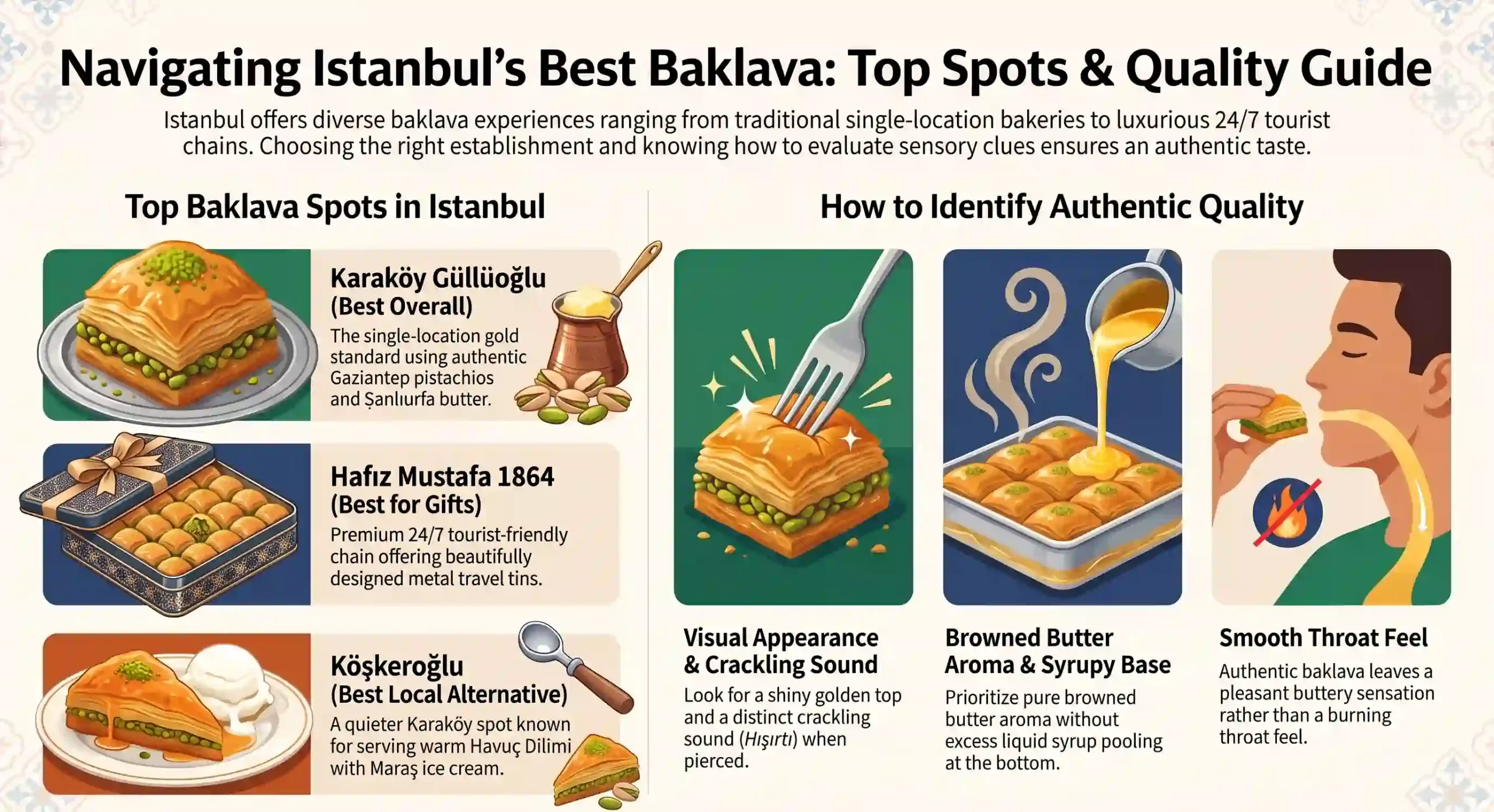
If you are searching for the best baklava in Istanbul, start your journey at Karaköy Güllüoğlu. For most locals, culinary purists, and returning travelers, this single-branch institution in Karaköy remains the undisputed gold standard for traditional Gaziantep-style baklava in the city.
However, the “best” place depends entirely on your itinerary, budget, and what you value in a culinary experience. Karaköy Güllüoğlu is heavily trafficked and only has one location. If you want a luxurious café experience at midnight or need a beautifully packaged tin for a flight, Hafız Mustafa 1864 is your best bet. If you are exploring the Asian side of the city, locals will point you straight to Bilgeoğlu in Kadıköy.
This guide compares Istanbul’s major baklava establishments by taste, authenticity, location, price, tourist level, and exactly what you should order when you walk through the doors.
| Category | Best Choice | Best For |
| Best Overall | Karaköy Güllüoğlu | The definitive, classic Istanbul baklava experience. |
| Best for First-Time Visitors | Hafız Mustafa 1864 | Late-night cravings, gorgeous cafés, and premium gift boxes. |
| Best Authentic Antep Style | Köşkeroğlu (Karaköy) | A quieter, highly traditional alternative to Güllüoğlu. |
The Top Baklava Shops in Istanbul: A Direct Comparison
1. Karaköy Güllüoğlu (Best Overall)
While there are dozens of shops in Istanbul with the name Güllüoğlu, only one Güllüoğlu shop exists in the world in Karaköy. This is where the Güllü family introduced their expertise on making Gaziantep baklava to Istanbul in 1949, close to the Galataport.
- Why it’s on the list: Sets the benchmark. There’s a fast turnover and trays are constantly coming out of the oven hot.
- What makes it different: They are using only Gaziantep’s pistachios and Şanlıurfa’s butter. They are not interested in expanding into new franchise stores because they don’t want to lose quality control.
- What to order: Fıstıklı Baklava (Classic Pistachio) and Nadir Dolama (a thick, rich green Pistachio roll).
- Taste & Texture: An ideal ‘crunch’ on the upper layers, followed by a deep ‘butter’ flavour. The syrup is well-balanced and will not irritate the throat.
- Tourist vs Local: 50/50. Famous all over the world, it is a place where locals in Istanbul stand in line even before big holidays.
- Possible disadvantages: The seating area looks like a hectic school cafeteria on a busy day. Food must be taken to table, it is served at the counter and must be paid at another counter.
- Those that do not wish to experience a quiet and relaxing table service café should avoid it.
2. Hafız Mustafa 1864 (Best for First-Timers & Gifts)
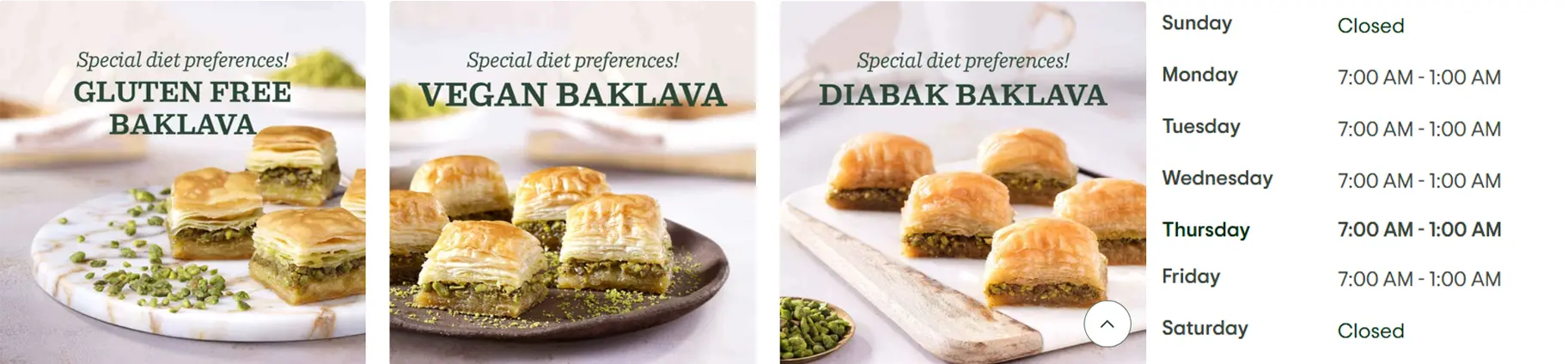
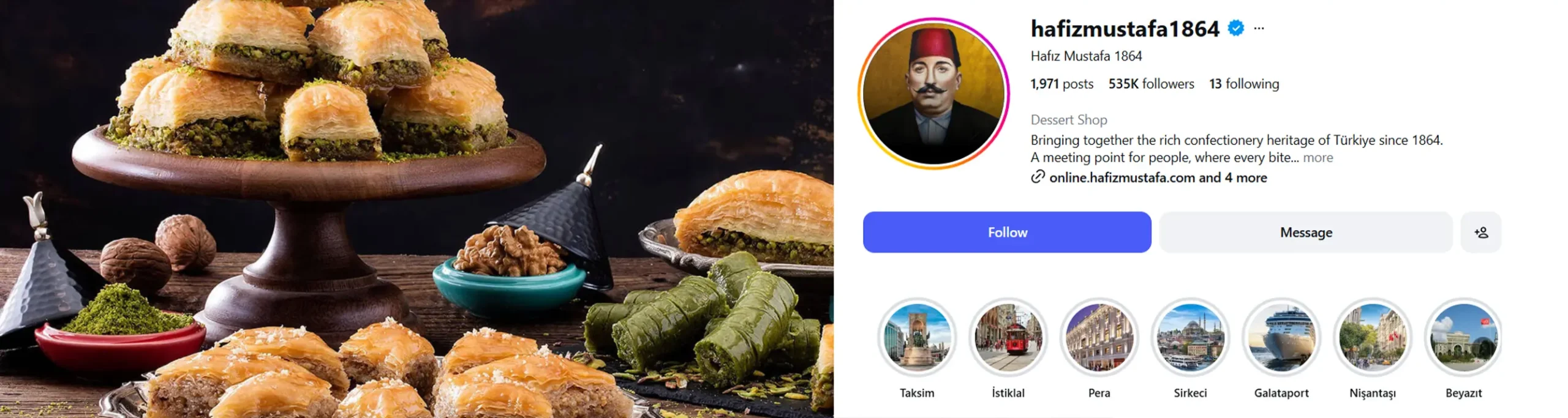
Karaköy Güllüoğlu is a purist tradition while Hafız Mustafa is an Ottoman opulence. This is the safest pricey chain in the city with branches in the popular tourist areas of the city (Sirkeci, Taksim, Sultanahmet).
- Why it was chosen: It’s so easy to use, so beautifully designed and so well made, despite being a very large piece.
- What makes it different: Many branches are open 24/7. They are packaged in thick beautifully designed metal tins that no other packaging can rival when it comes to air travel.
- What to order: Cevizli Baklava (Walnut Baklava) or their very rich Şöbiyet (Pistachio and cream).
- Sweetness Level: Sweeter and slightly sticky than Güllüoğlu, generally.
90% tourist oriented. This place will have very few locals around, but its quality is very high. - Which branch to visit: This is the Sirkeci branch which is iconic, multi-storied and sets the standard for late night jet lag cravings.
- Potential drawbacks: high tourist rates (you pay for the design and setting).
3. BEST ALTERNATIVE IN KARAKÖY: Köşkeroğlu
If you are looking for the best Gaziantep baklava, but don’t want to deal with the huge crowds at Karaköy Güllüoğlu, then you can head to Köşkeroğlu.
- Why it’s on this list: Steady, outstanding quality but with a relaxed neighborhood feel.
- Things to order: Havuç Dilimi (Carrot Slice baklava) which is served warm filled with Maraş ice cream.
- Taste & Texture: Lighter than usual phyllo layers with a good crunch, and a noticeable amount of clarified butter.
- Tourist vs Local: Tends to be very local.
- Location: Karaköy.
- Potential drawbacks: More of a traditional Turkish restaurant than a glamorous pastry shop.
What Baklava Should You Try in Istanbul?
When exploring baklava in Turkey, entering a large baklava bakery can feel overwhelming at first. The trays are often filled with dozens of varieties in different shapes, colours, and cuts. Here’s how to choose what to order based on your personal preferences:
If you are new to Turkish cuisine: Fıstıklı Baklava (Classic Pistachio)
The baseline. Small rectangles filled with 40 layers of paper-thin phyllo dough, clarified butter and bright green pistachios. It’s a great introduction.
For a maximum pistachio flavor: Fıstık Sarma (Pistachio Wrap)
They resemble bright green, glowing cylinders. A single layer of phyllo dough is used to join into a thick paste of high quality early-harvest pistachio (boz iç). It’s very costly, but totally worth it.
If you prefer creamier textures: Şöbiyet
Cut into triangles, Şöbiyet contains a mixture of pistachios and kaymak (clotted semolina cream). Due to the cream it has a shorter shelf life and has a softer and richer texture. It must be eaten fresh.
For those who don’t enjoy sweetness: Cevizli (Walnut) Baklava or Soğuk (Cold) Baklava
Walnut baklava (Cevizli) is a more earthy and slightly more bitter variety that can also be a little less aggressively sweet. Or find Soğuk Baklava (Cold Baklava), a modern creation in which the pastry is soaked in cold milk and sprinkled on top with cocoa powder. Very much enjoyed each summer by the local community.
In case you are looking for a showy dessert: Havuç Dilimi (carrot slice).
It is a big triangle, which looks like a carrot, and is supposed to be consumed hot. It will be cut into slices open-ended by the waiter and filled with a thick slice of Maraş ice cream. Those hot buttery pastry and cold chewy ice cream are amazing.
How to Identify Good Baklava Like a Local
It’s not a matter of being a food critic to know good baklava when they’re good. In the event of an arbitrary neighborhood store, here are some sensory clues:
- The Color: The top should be a shiny, golden brown. If it looks light in color, it has not been baked enough. If it doesn’t look shiny, it’s flat.
- Syrup Pool: Peek at the bottom of the tray. The baklava that soaks up the syrup are of good quality. The box will sink in a deep dish of syrup if there’s too much liquid syrup in it, and the store is trying to make the box heavier.
- Smell: Browned butter should taste like browned butter. Walk away if the only smell is sugar or even worse, vegetable oil.
- The Sound (Hışırtı): A clean crackling sound should be heard when the top layer is pierced with the fork. The word of the day for good baklava is sogginess.
- The Throat Feel: The good baklava has an agreeable buttery sensation. Low-quality baklava is made of low-quality corn syrup, which literally burns or scratches the back of your throat when you eat.
How Much Does Baklava Cost in Istanbul?
Due to inflation in Turkey, baklava prices can change frequently and may vary depending on the shop, ingredients, variety and location. Premium pastry shops, tourist areas and well-known baklava specialists may also have different pricing. Rather than relying on a fixed price, it is best to contact the shop directly or ask in person for the latest price before purchasing.
Tip: Tourist-facing restaurants in Sultanahmet may charge more than dedicated pastry shops, so it is generally better to buy your baklava from a shop that specialises in it. For the most accurate and up-to-date pricing, call the shop or contact them directly before visiting.
Tourist Convenience vs. Local Authenticity
Do not shop in popular stores or malls? Not necessarily.
However, places such as Hafız Mustafa are built with the tourist in mind, and have some interesting perks: they will accept all foreign credit cards without a hitch, staff members speak many languages, menus are illustrated with pictures and they have nice, comfortable seating areas where you can relax and sip Turkish tea for hours.
There’s another value in neighborhood shops. You’ll save 20-40%, enjoy a more authentic experience, and you’ll likely also receive a fresher product since the local community purchases out the trays rapidly. But you might need to eat standing up, experience language issues and have to pay cash.
The Verdict: Do both. Purchase presents from the shiny tourist shops, and dine at the local bakeries.
Best Baklava to Take Home from Istanbul (Gifts)
Eating baklava on a flight is quite common, but it’s an art form.
1. Purchase ‘Kuru Baklava’ (Dry Baklava)
Try and get Kuru Baklava from the counter if traveling more than 24 hours. It’s thicker syrup and no cream made in this version. Its shelf life is up to 15-30 days while the shelf life of the normal baklava is 3 days.
2. Request Travel Packaging
Don’t take a standard cardboard box on a trip. The syrup will drip and make your bags go bad. Premium shops, such as Hafız Mustafa and Karaköy Güllüoğlu, sell airtight tins made of metal to be used for air travel. They will even vacuum seal your tin if you want.
3. Never Refrigerate It
After reaching home store the baklava at room temperature. Refrigerating the mix will cause the clarified butter to solidify and the sugar to crystallize, which will affect the texture.
Freshness and The Best Time to Visit
Timing matters. The ideal hours to enjoy baklava in Istanbul is from 10:00 AM until 2:00 PM.
The main bakes are taken out of the oven in the middle of the morning in most large bakeries. Going too early can mean you’ll be eating the last trays of yesterday. Late night visitors will find the pastry has spent the day in the syrup and will lack some of its renowned crunch. Buy at Karaköy Güllüoğlu, a bakery with constant turnover, if you have to do so at night.
FAQs
What is the difference between Istanbul-style and Gaziantep-style baklava?
Historically, Istanbul style featured walnuts and a lighter syrup, while Gaziantep style relied on pistachios and heavy clarified butter. Today, the Gaziantep style has largely won out. The “best” baklava in Istanbul is essentially Gaziantep baklava made by families who migrated from that region.
Which baklava shop is best for first-time visitors?
Hafız Mustafa is the most approachable. The menus are clear, the staff is accustomed to explaining the varieties, and the cafés are beautiful.
Is baklava expensive in Istanbul?
It is considered a luxury item even for locals. Because it requires highly expensive ingredients (early-harvest pistachios, pure clarified butter) and labor-intensive rolling, a high price usually indicates high quality. Cheap baklava is almost always made with margarine and corn syrup.
Can I take Turkish baklava on a flight?
Yes. Airport security treats it as a solid food. However, it must be properly boxed. Ask the shop for a travel tin (teneke kutu).
What is the most famous baklava shop in Istanbul?
Karaköy Güllüoğlu is the most globally recognized name. Just remember to go to the actual Karaköy location, as other “Güllüoğlu” shops in the city are operated by different relatives and feature different menus.